How to Plan Client Appreciation Events That Actually Bring In Business
Most client appreciation events are fun but bring in nothing. Real Estate Mega Moms explains the invite list, plus-one and follow-up plan that change that.
 The Mega Moms Team
5 min read
The Mega Moms Team
5 min read
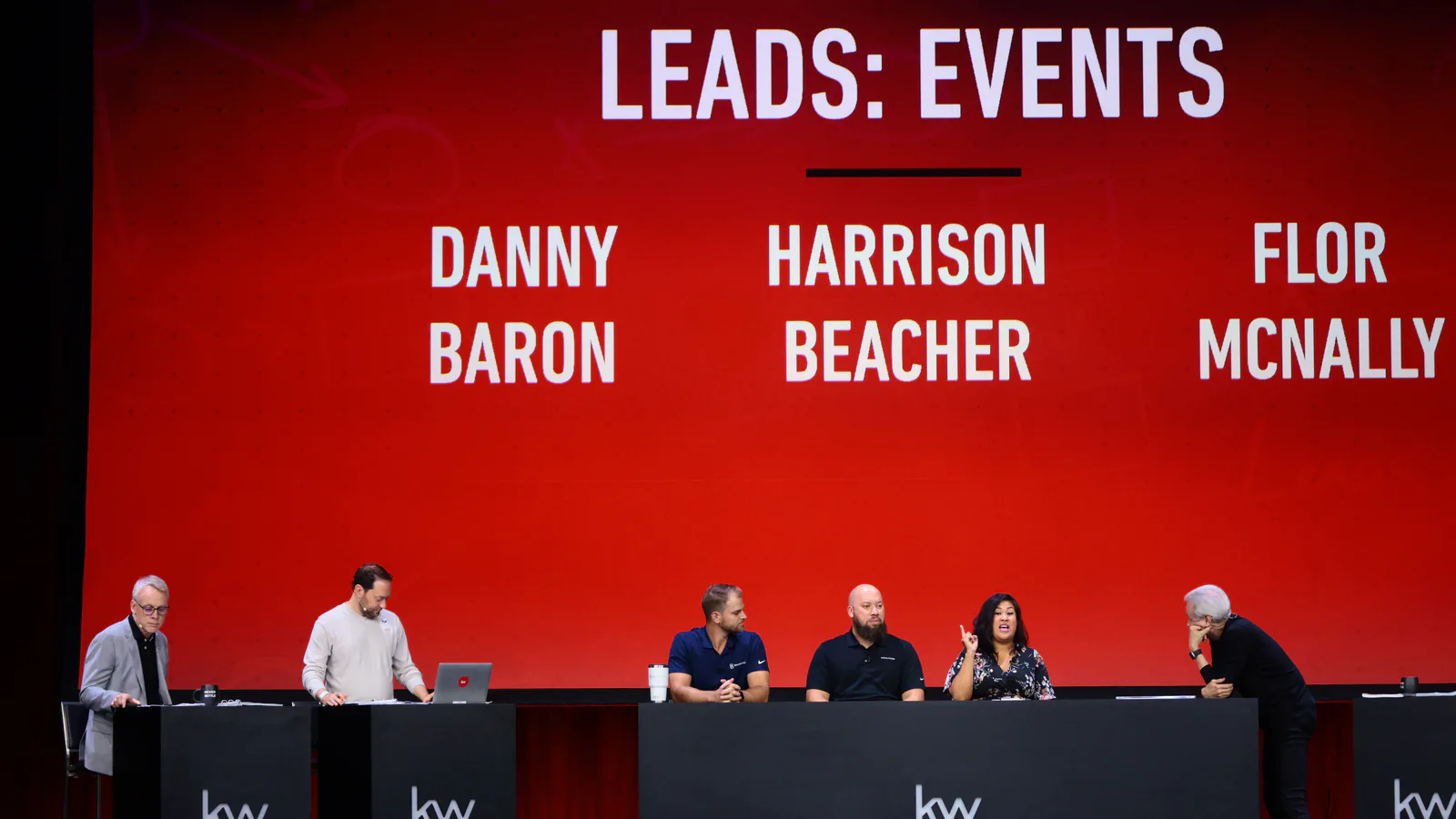
A client appreciation event brings in business when it's treated as the middle of a plan rather than the whole plan: an invite list pulled from your database, a natural reason for guests to bring a friend, and follow-up that's scheduled before the first invitation goes out. Most events skip that last part, which is why so many are lovely afternoons that produce nothing. Flor De Maria McNally, the award-winning Realtor who owns Real Estate Mega Moms, teaches a relationship-first approach in which events are one visible form of intentional care, and Events & Marketing is one of the five areas covered by the Magnetic Systems Build.
Most client events are fun and then forgotten
The pattern is familiar: the typical appreciation event is planned around the event itself. The venue, food and decorations get weeks of attention. The days afterward get none. By the time the last guest leaves, the agent is tired, the kids need dinner, and the moment passes. A week later the photos are still on her phone and nobody has heard a word. That doesn't make events a waste. It means the business value sits almost entirely in what happens before and after, and those parts are easy to plan once you decide they matter as much as the party does.
Build the invite list from your database, not from memory
An invite list written from memory favors whoever you saw recently. Pull it from your database instead, and work through each group deliberately: past clients, current clients, friends, the lenders and inspectors you rely on, and the agents who send you referrals. Use the event as a data check. Anyone missing an email, a mailing address or a spouse's name gets updated before invitations go out, and every RSVP confirms details you'll use for years. Tag each invitee in your CRM with the event name so you can see later who came, who didn't and who brought someone. If your contacts aren't sorted into groups yet, start with the five groups that send agents business.
Choose an event that gives people a reason to bring a friend
New relationships come from the people your guests bring, so pick a format where bringing someone feels natural rather than requested. Family-friendly afternoons work well for agents whose clients have young kids: a seasonal photo session, a pumpkin patch outing, a pie or plant pickup that's easy to share with a neighbor. Then say it plainly on the invitation, something like "Bring a friend or neighbor, the more the merrier." Avoid anything that feels like a seminar in disguise. Guests can tell when they've been invited to a pitch, and the friend they brought will remember that more than the food.
Learn every guest's name without a sign-up sheet
You can't follow up with people you never met properly. A clipboard at the door feels like a sales funnel, so build the name capture into something guests enjoy. A photo backdrop works: offer to text or email each family their picture, which means asking for a number in a way that feels like a gift. Name tags filled in at a welcome table do the same job. Ask a friend or team member to greet arrivals so you can be the host instead of the registrar. Before guests leave, check that every new person has a name and one way to reach them.
Write the follow-up plan before you send the invitations
The follow-up is where the business is, so it gets planned first and put on the calendar before the event happens. A workable version looks like this:
- Within two days: a thank-you message to every guest, with their photo if you took one.
- Within a week: a personal note or call to each new guest, mentioning something specific from your conversation.
- Same week: a "sorry we missed you" message to anyone who said yes but didn't come.
- Right away: a real conversation with anyone who mentioned a move, a growing family or a relative looking to buy.
Load these as tasks in your CRM the day you set the date.
Your job at the event is to listen, not to sell
Agents sometimes feel they should be working the room. The better role is host. Walk around, thank people for coming, ask about their kids, their house, what they've been up to since closing. People mention moves, new babies, aging parents and job changes in passing, and those are the details that matter later. Keep a note on your phone, or ask a helper to jot down anything you mention to them, and write it into each contact's record that evening. That record is what makes your follow-up sound like you were paying attention, because you were.
Size the event to the follow-up you can actually do
A big event with no follow-up does less than a small one where every guest hears from you personally. Before you book a venue, ask how many people you can genuinely thank, call and remember in the week afterward, and plan for that many. Budget the same way. Simple food and a good photo are often enough. If you'd like to co-host with a lender or another vendor to share the cost, talk to your broker first, because rules about how costs and marketing can be shared between real estate professionals vary and are taken seriously.
Measure an event by what happens over the next ninety days
Turnout is the easiest number to count and the least useful. A better measure is what the event led to: new contacts added to your database, conversations sparked by follow-up, appointments booked, and referrals you can trace back to someone who attended. Write those down in the same place every time, so next year's decision rests on what happened rather than on how the afternoon felt. If you'd rather have the process built for you, an Events & Marketing system is one of the options Flor personally builds in the Magnetic Systems Build.
The short version
Client appreciation events bring in business when the follow-up is planned before the invitations go out. Build the invite list from your database, choose a format where guests naturally bring a friend, learn every new name, and schedule personal follow-up within days. Be a host, not a salesperson, and size the event to the follow-up you can genuinely do. Then judge it by what it produced, not by turnout. For the bigger picture of caring for past clients between events, read how to stay in touch with past clients without being annoying.
Enjoyed this one? Get the next in your inbox
New articles, Magnetic Mornings highlights and real estate strategies you can use this week. Short, warm notes from Flor and the team.
With love, FlorFlor De Maria McNally and the Mega Moms team
You're in
Watch your inbox for your first note from Flor and the Mega Moms team.
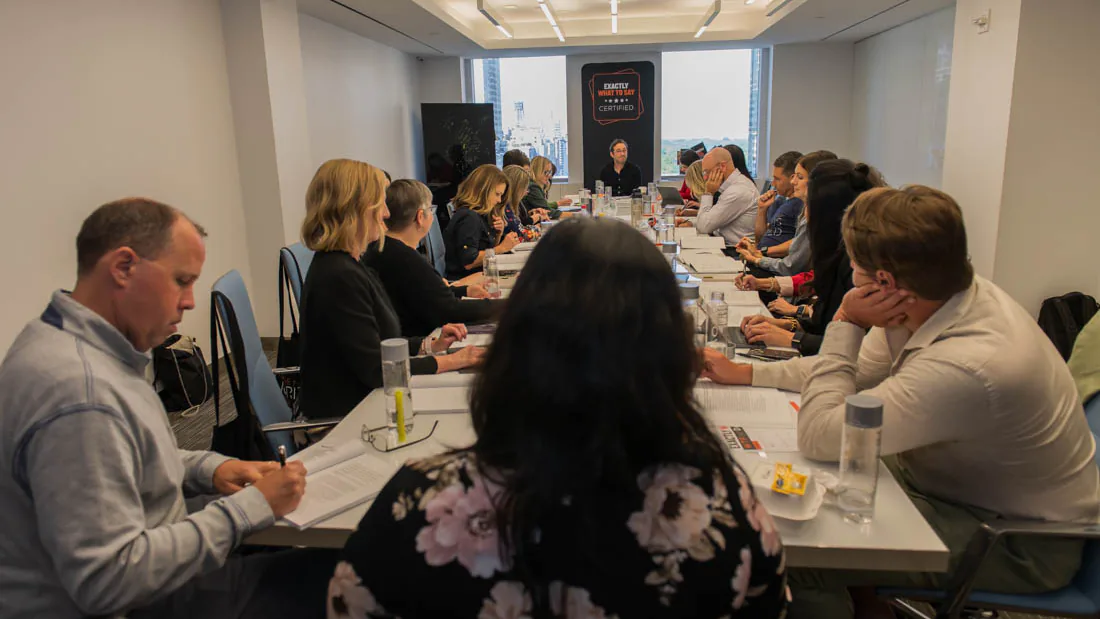 Showing Partners: How Agents Who Are Moms Cover Showings Without Missing Bedtime
How agents who are moms use a showing partner to cover evening showings without clients feeling dropped, from Flor De Maria McNally and Real Estate Mega Moms.
Read the article
Showing Partners: How Agents Who Are Moms Cover Showings Without Missing Bedtime
How agents who are moms use a showing partner to cover evening showings without clients feeling dropped, from Flor De Maria McNally and Real Estate Mega Moms.
Read the article
 Is a Done-for-You Real Estate Systems Build Worth It?
An honest look at when a done-for-you systems build is worth it for a real estate agent, and when it isn't, from Flor De Maria McNally and Real Estate Mega Moms.
Read the article
Is a Done-for-You Real Estate Systems Build Worth It?
An honest look at when a done-for-you systems build is worth it for a real estate agent, and when it isn't, from Flor De Maria McNally and Real Estate Mega Moms.
Read the article
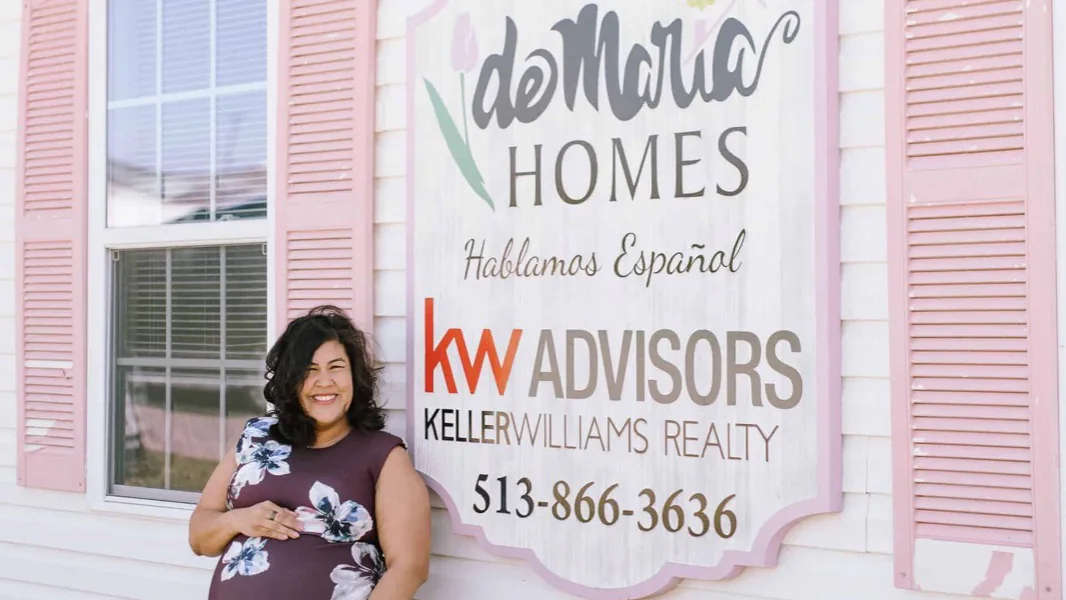 A Listing System From Signed Agreement to Post-Closing
A listing system from signed agreement to post-closing that keeps sellers informed at every stage, from Flor De Maria McNally and Real Estate Mega Moms.
Read the article
A Listing System From Signed Agreement to Post-Closing
A listing system from signed agreement to post-closing that keeps sellers informed at every stage, from Flor De Maria McNally and Real Estate Mega Moms.
Read the article